Application to RFQ
pvb resin powder requirements by process context
Application language helps a buyer list the fields a factory must answer. It does not prove that a powder grade will laminate, bind ceramic or disperse in ink. Convert the use case into hydroxyl content, residual PVA, particle size, moisture, viscosity or melt flow, quantity and US destination before quotes are compared.
- Form
- Powder, granule or solution to confirm
- Particle size
- Buyer limit or open
- Moisture
- Buyer limit or open
- Destination
- US site to name
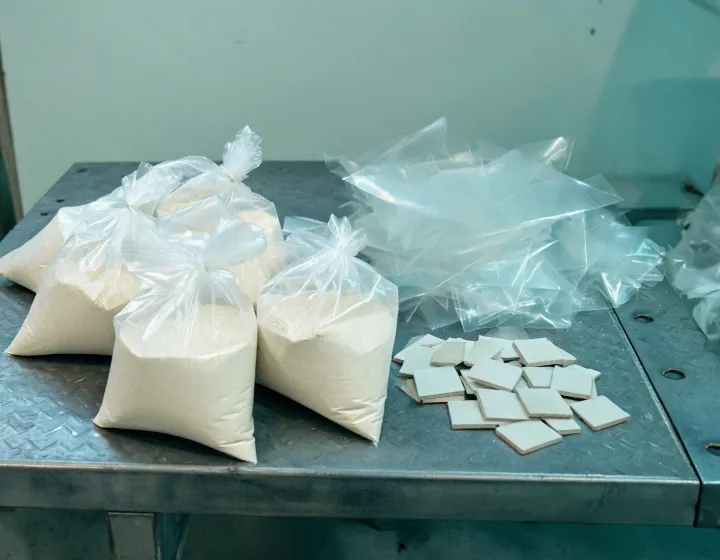
Translate each use into purchase fields
The matrix below is a question set. Cells stay blank until a supplier answers the quoted SKU. Family literature from public polymer references is used only to frame those questions.
| Use context | Fields to request | Documents | Open decision |
|---|---|---|---|
| Laminated glass interlayer powder | Hydroxyl content, residual PVA, plasticizer statement, melt flow, color, moisture | SDS, TDS, CoA format, TSCA status for the quoted lot | Buyer lab confirms adhesion and haze; this desk does not |
| Ceramic or foundry binder | Particle size, ash, residual PVA, viscosity in the named solvent, package net weight | SDS, TDS, CoA analytes the plant will report | Green-strength trials stay with the buyer process team |
| Ink, coating or primer binder | Solution vs powder, solids content, viscosity, solvent if supplied as solution, color | SDS with flash point if solvent is present, TDS, CoA | Compatibility with existing vehicle is buyer-owned |
| Distribution restock | Grade code, bag size, palletization, labeling language, US inbound routing | Current SDS revision, transport class from that SDS | Warehouse storage range waits for the exact file |
Selection trade-offs that stay unresolved on this page
Powder versus solution grades change packaging, flash point and freight class; they are not interchangeable SKUs. Higher hydroxyl content can improve adhesion in some interlayer recipes while raising moisture sensitivity; the opposite window can be preferred for certain inks. Virgin interlayer powder and recycled or post-consumer pvb often differ in residual plasticizer, odor and color, so they must sit on separate quote lines. None of these trade-offs is resolved by this sourcing site.
Limits that buyers should write into the brief include: particle-size band if a pneumatic feed is used; moisture if the plant cannot dry incoming bags; residual PVA if a ceramic burnout spec exists; and solvent identity if a solution grade is requested. Unknown values should stay marked open rather than copied from a catalog family page. Continue to inquiry options or the procurement brief.
Application documents that still need a named lot
Send the powder application brief
State whether the pvb resin powder is for interlayer, ceramic binder or ink, then list hydroxyl window, particle-size band, moisture, bag weight and the US plant gate so factories answer one powder scope.